Titanic disaster human factors analysis
Human Factors-based reconstruction of crew decisions, communication gaps, and organizational factors that shaped the event and potential safety lessons.
Four minute read

Follow along in my journey to unpack the mysterious ways in which humans and technology intersect.
See how psychology, engineering, and design thinking come together across my projects and education.
Human Factors-based reconstruction of crew decisions, communication gaps, and organizational factors that shaped the event and potential safety lessons.
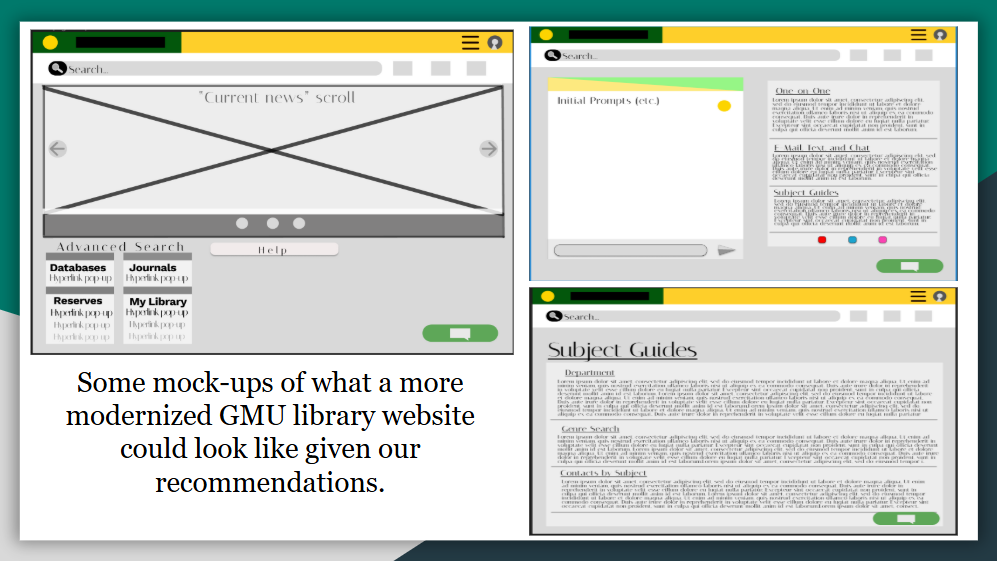
Research led update of a large university library site using usability testing, heuristic reviews, and competitor scans to improve student workflows.
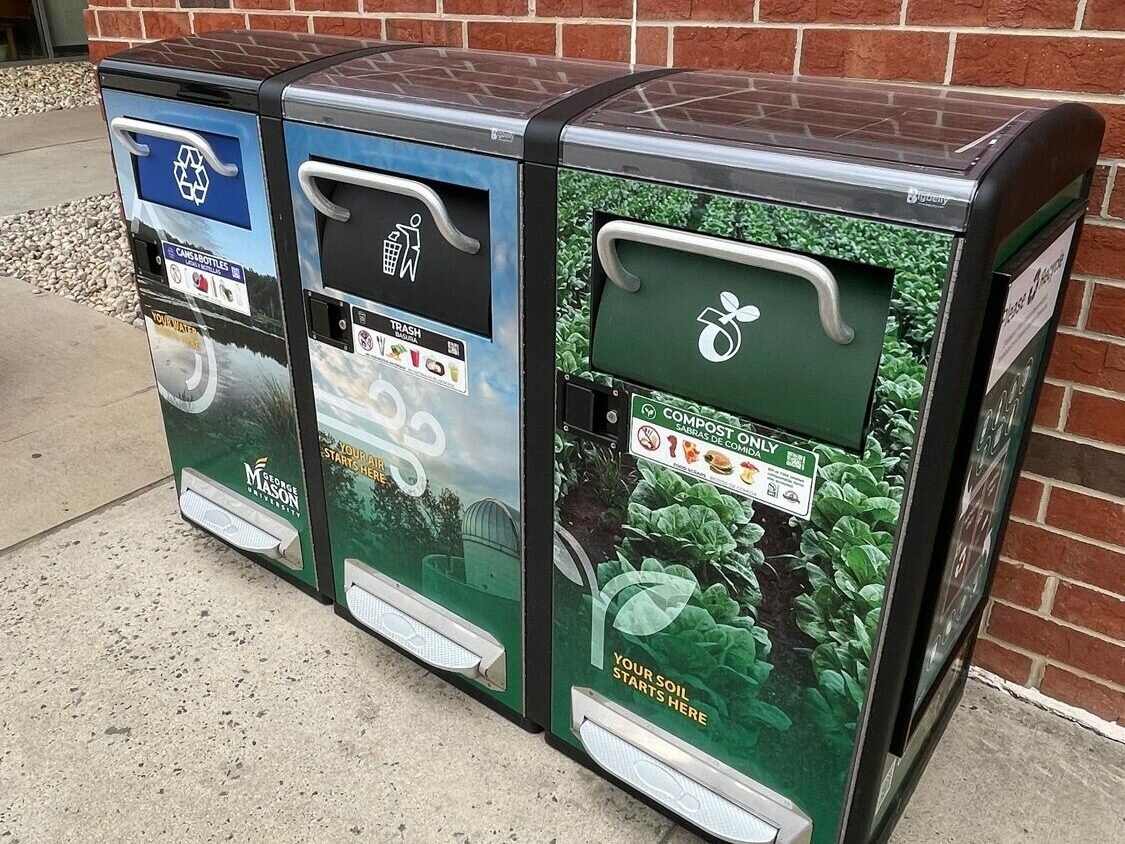
Field research with a campus waste partner, mapping real collection routes and touchpoints to recommend changes that teams adopted.
Unity 3D bicycle simulator updates that supported Department of Transportation safety studies and a human performance symposium presentation.
Native mobile concept that connects GMU commuters by routes, schedules, and interests to reduce isolation and surface shared patterns.
Companion app for a browser extension that lets people set focus sessions, view summaries, and tune digital nudges.
Minimalist social concept with a limited posting model, analytics, and messaging designed to calm feeds rather than amplify noise.
Wearable and phone concept that layers posture alerts, calm modes, and wardrobe planning into a single daily rhythm.
End to end design thinking project that used lean canvas work, market checks, and storytelling to pitch a new offering.
Contextual inquiry and observation sessions used to surface quiet pain points and unmet needs in a real environment.
A sequence of short sprints that practiced empathy maps, points of view, how might we prompts, and rapid prototyping.
System level concept that links daily post limits, Focus guardian interventions, and clear feedback into one digital wellness platform.
Wearable family concept that treats voice first control and accessibility as core requirements, not afterthoughts.
Positive social app idea that rewards kind actions with rays and nudges people toward constructive, less toxic engagement.
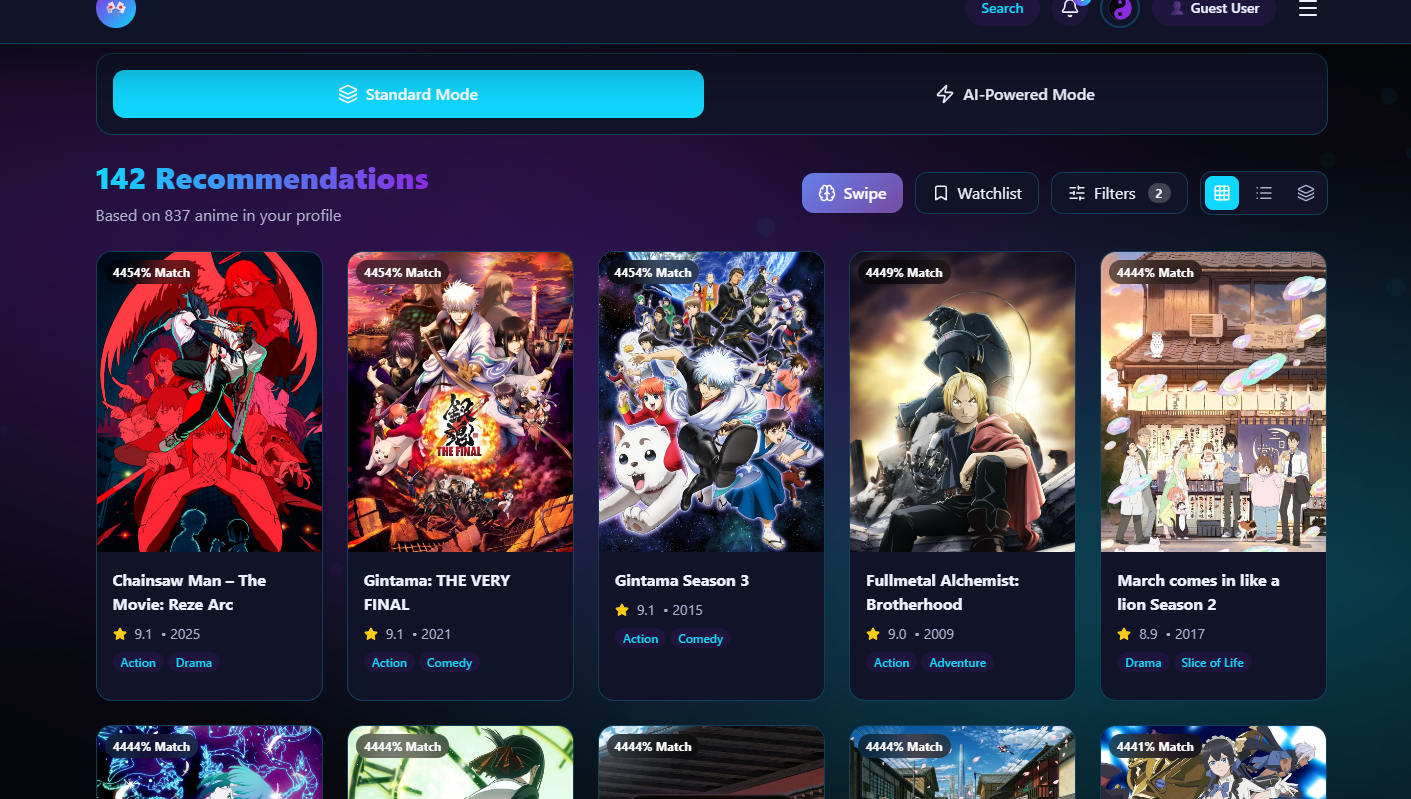
MyAnimeList and AniList, two of the largest anime catalog platforms, still rely on early-2000s information architecture and UI paradigms. Their workflows require excessive cognitive load, their recommendation logic is opaque, and they lack modern personalization, intelligent search, and social interaction mechanics. Users in my qualitative survey described the platforms as “dated,” “clunky,” and “confusing,” with a desire for AI-enhanced discovery and a more community-driven experience.
Hands on engineering pathway with CAD, electronics, and problem solving that became the technical base for my later human factors work.
Project Lead The Way engineering and computer science
Advanced placement path with 17 AP courses and a focus on civil and architectural engineering.
CAD, prototyping, 3D modeling, iterative design, applied physics, logic and circuits, Python, Java, C plus plus, data informed design, and project planning.
Twenty transfer credits accepted by GMU college coursework completed during high school.
Financial modeling, data organization, advanced programming, formal logic, work with functions and derivatives, analytical reasoning, and foundational psychology.
BS psychology in human factors and applied cognition minor in design thinking
Experimental design, survey design, inferential statistics in SPSS and regression, attention, memory, and perception, ergonomics and error analysis, psychophysiology, cross cultural UX, high fidelity prototyping, human centered design, and technical communication.
Attention, memory, and perception, neural bases of cognition, developmental and cross cultural psychology, and ergonomic error analysis.
Controlled studies, IRB protocols, psychometrics, SPSS and regression, mixed methods designs, data ethics, and reproducibility.
Engineering principles with CAD and prototyping, interface and interaction design, Python, Java, C plus plus, data visualization, design systems, and accessibility aligned with WCAG 2.2 AA.
Hear directly from those I've worked with about their experiences collaborating with me and the impact of my work. If you'd like to contribute your own testimonial, please use the button below to share your thoughts!
Multidisciplinary strengths shaped by engineering, applied psychology, and design thinking.
Human information processing, attention and memory, decision making, perception and psychophysics, and mental models across cultures and ages.
Usability testing, heuristic evaluation, interviews, personas, journey maps, wireframes, and high fidelity prototypes.
Statistical analysis, study design, R and Python, data visualization, and survey design with focus on validity and ethics.
Human AI interaction, alignment themes, ethical product thinking, scripting in Python, and applied work with AI tools in UX and research workflows.
Hello and welcome! I'm Thema, a human factors and UX researcher who grew up online, asked a lot of questions, and never quite stopped. My early years sat between gifted classes, orchestra, hosting neighborhood kickball games, and long nights on the internet where I saw both the playful side of digital life and the harms that come with unregulated systems.
Designing with curiosity, care, and clear limits for both humans and machines.
I first studied civil and architectural engineering through Project Lead The Way, then shifted into human factors and applied cognition at George Mason University when I realized my real question was how technology shapes people. I watched social platforms gamify attention, saw friends change themselves to match filters, and learned how features like streaks and feeds can support or erode wellbeing.
Today I bring that lived experience into research driven design work across web, mobile, and conceptual ecosystems. My focus sits at the intersection of internet culture, human computer interaction, and AI ethics, especially for young people who are the first to grow up entirely in the digital age.
I aim to build and critique systems so that the next generation can grow up with tools that support their attention, identity, and dignity instead of mining them.
This means pairing rigorous methods with empathy, clear ethics, and honest communication about what technology is doing behind the screen.
Open to select volunteer projects and full time roles in human-computer interaction, UX research, and responsible AI.
Washington, DC
Willing to relocate
George Mason University